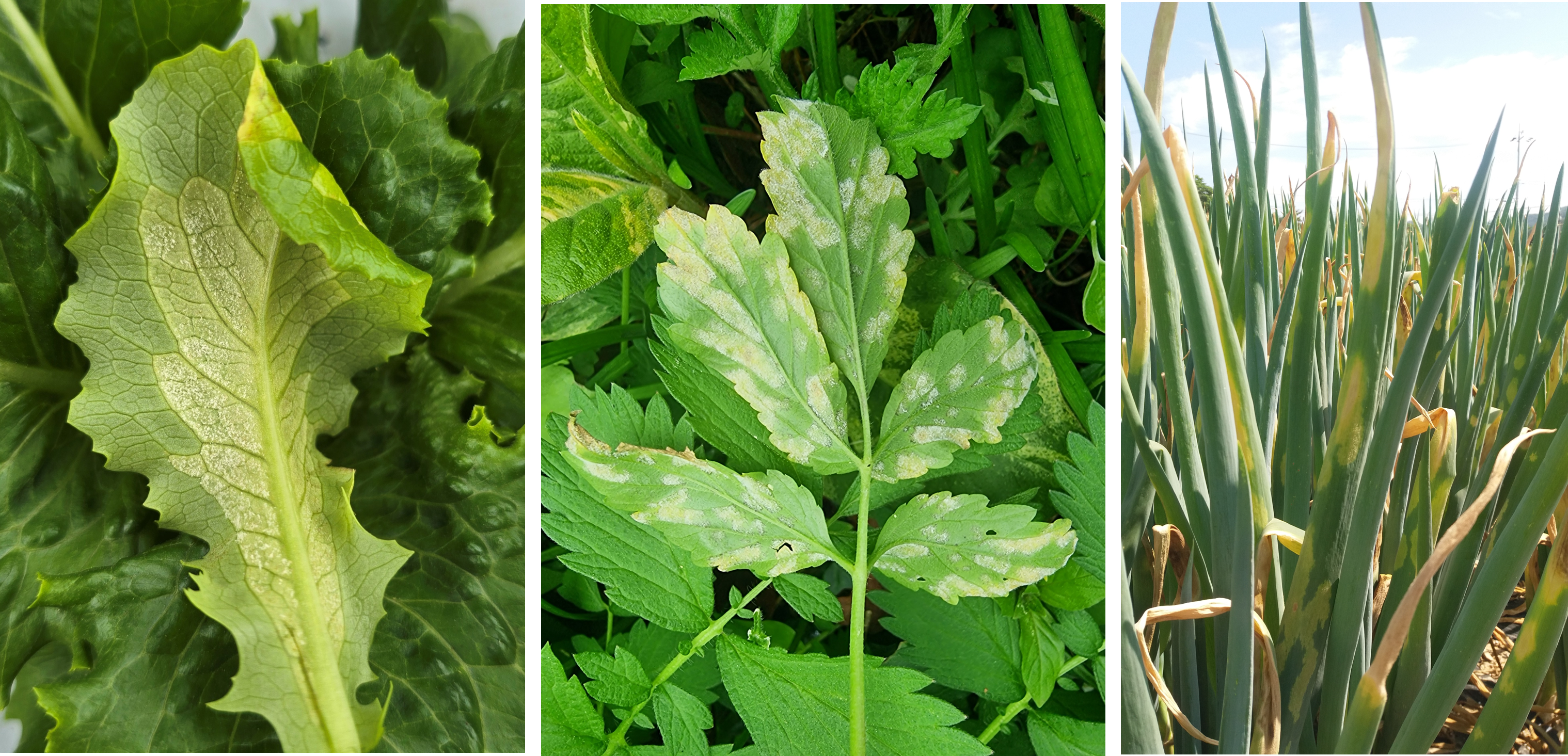
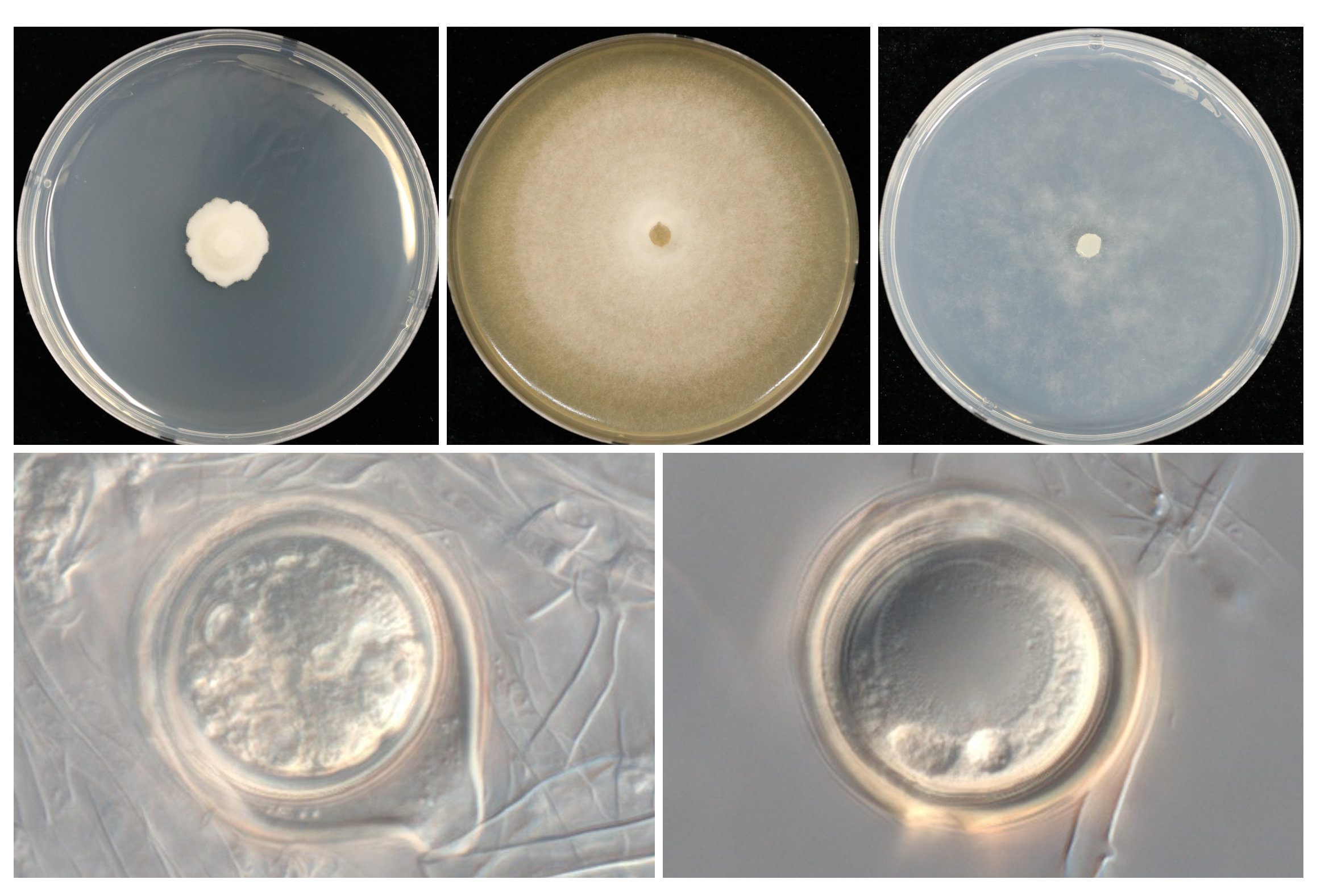
Downy mildews are among the most destructive plant diseases worldwide. They are caused by a group of obligate biotrophic pathogens in the family Peronosporaceae (Oomycetes), which includes more than 700 known species. These pathogens infect a wide variety of plants—from annuals and perennials to woody crops—attacking mainly the leaves, stems, and sometimes flowers. Typical symptoms appear as yellowish or necrotic spots on the upper leaf surface, accompanied by dense, downy growth underneath. Major species of economic concern include Peronospora manshurica on soybean, Peronospora tabacina on tobacco, and Plasmopara viticola on grapevine.
Taxonomy and Phylogeny
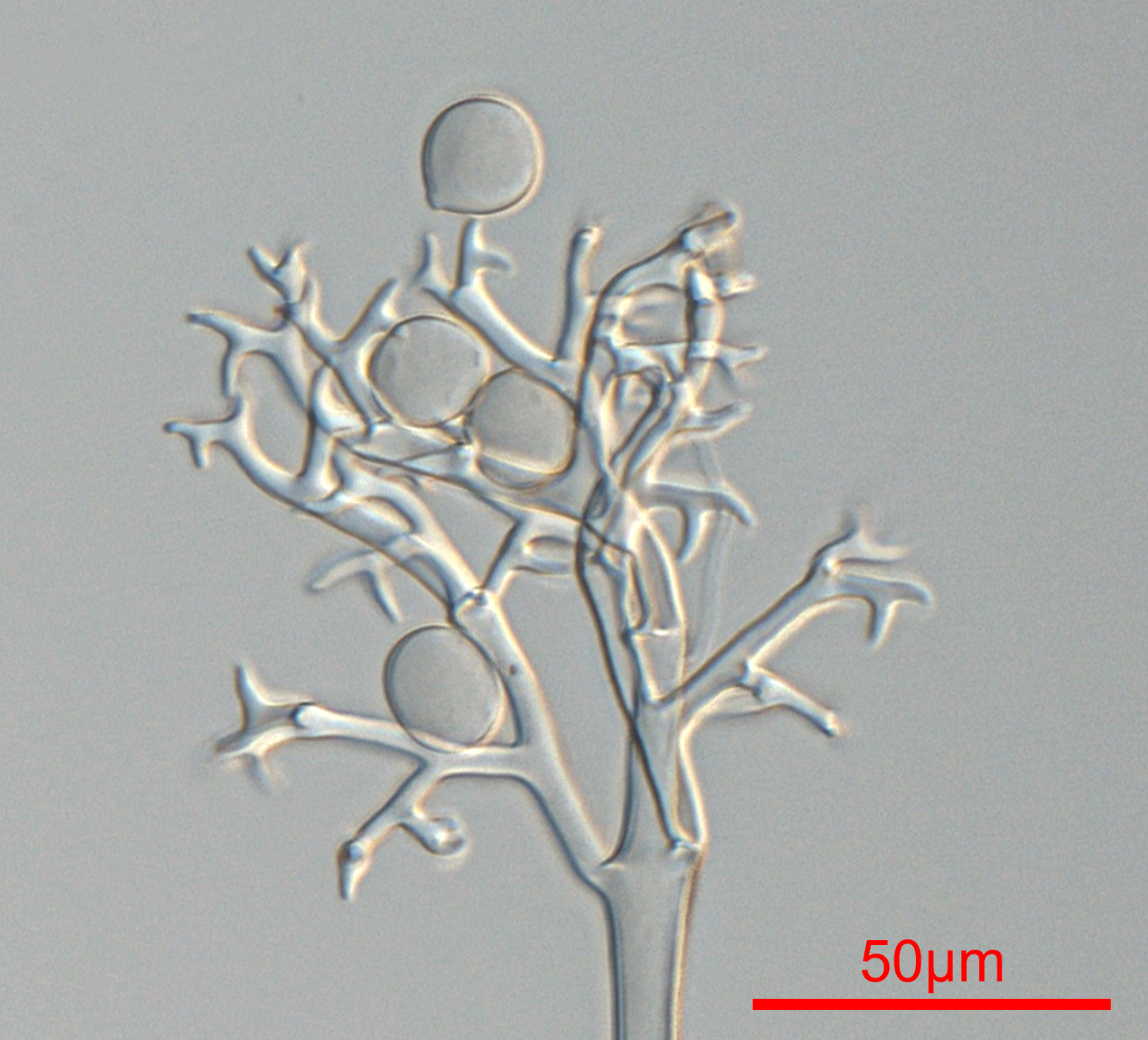
Traditionally, members of the Peronosporaceae were identified by specific host range and morphological characteristics such as the shape and size of sporangiophore/conidiophore and sporangia/conidia. With advances in molecular phylogenetics, the taxonomy of downy mildews has been substantially refined. DNA-based analyses have revealed that these pathogens comprise several distinct, monophyletic lineages. Studies using ribosomal DNA and mitochondrial gene sequences have clarified the evolutionary relationships among major genera, including Peronospora, Plasmopara, and Hyaloperonospora. These molecular insights have established a more evolutionarily plausible framework for understanding the diversity and classification of downy mildews.
Morphology and Life Cycle
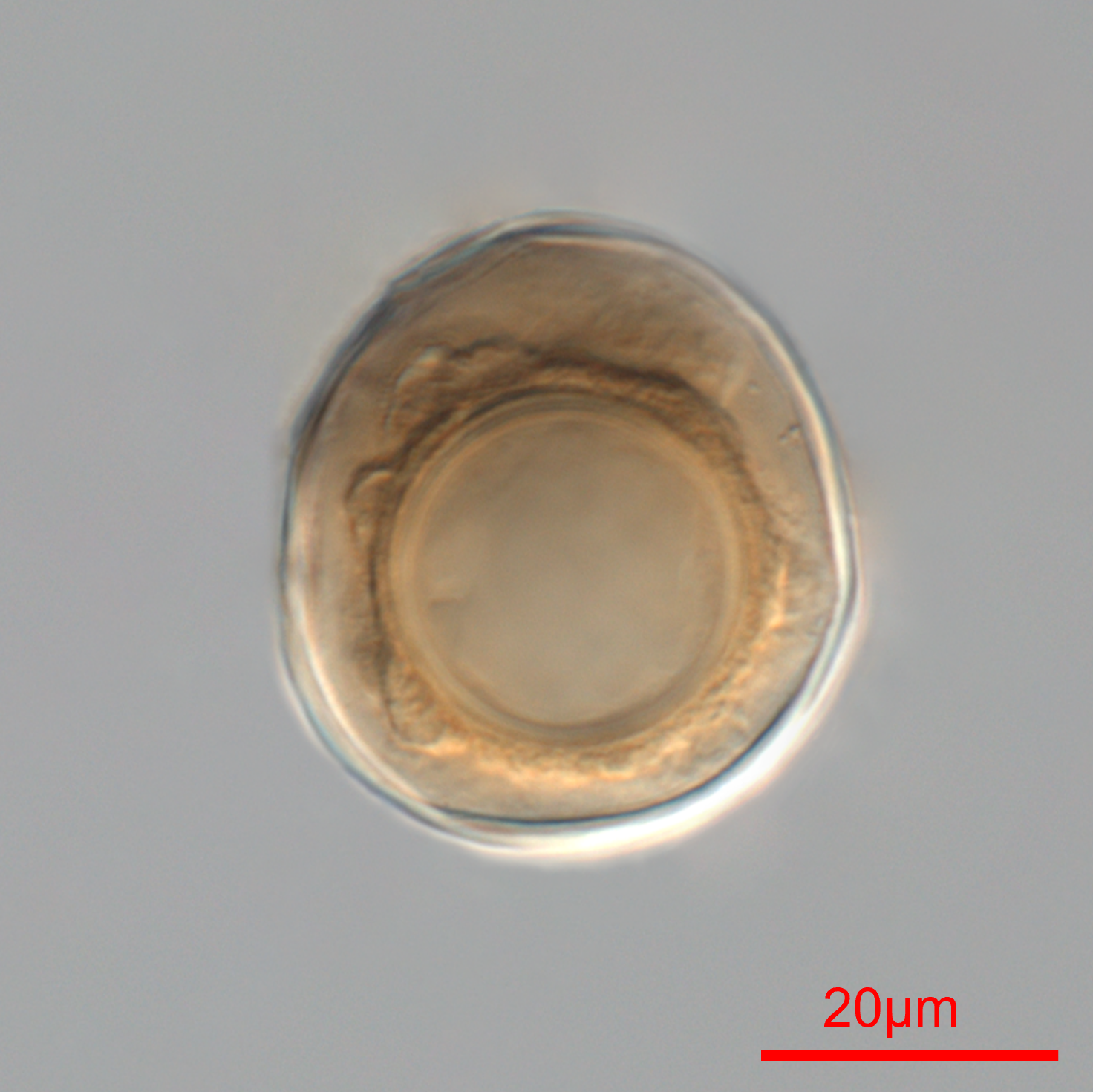
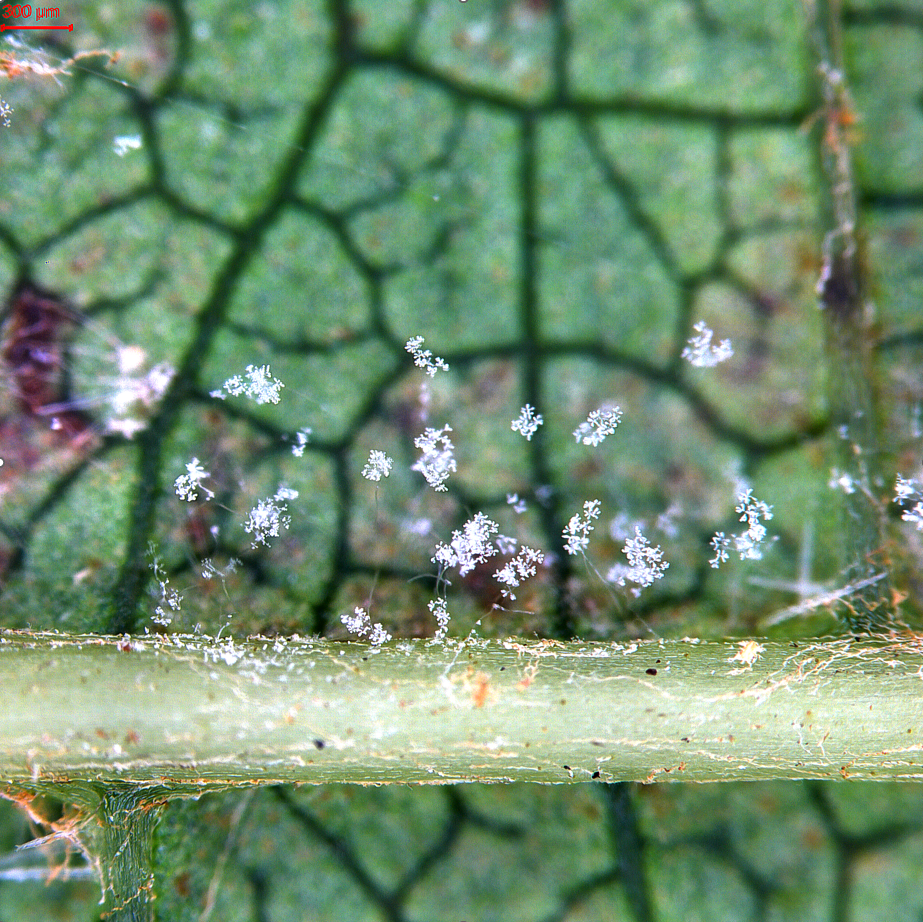
Downy mildew fungi form both sexual and asexual stages in its life cycle. During winter, oospores produced in infected leaves and plant debris persist in the soil or fallen foliage. In spring, these oospores germinate or release zoospores, which serve as the primary source of infection and initiate disease development. The pathogen grows intercellularly and produces sporangiophores or conidiophores that emerge through stomata, bearing asexual spores readily dispersed by wind or rain. These spores cause repeated cycles of secondary infection throughout the growing season. Toward the end of the season, new oospores form within host tissues, allowing the pathogen to overwinter and complete its life cycle.
Pathogenesis
Oomycetes secrete a wide array of effector proteins into both intra- and extracellular spaces of plant tissues, where they manipulate host metabolism and facilitate infection. The secretion of these effectors is a major factor determining the outcome of host–pathogen interactions. By producing effectors that carry host-targeting signals, pathogens can evade and suppress plant immune responses, allowing successful colonization. Disease spread occurs mainly through rain splash and wind dispersal, but transmission via infected leaves or seeds can also happen, heightening the risk of epidemic outbreaks through global trade.
Resources and Database
This web platform provides researchers with a standardized MLSA-based database and analysis tools for rust fungi.
Key features include:
• High-resolution phylogenetic analysis based on multilocus datasets
• Interactive visualization of phylogenetic trees and genetic diversity
• Integration of isolates from diverse hosts and geographic origins for population-level comparison
• Future linkage with international strain collections and public genome databases to serve as a
global hub for rust research
By offering a reliable molecular framework, this platform supports accurate species identification, evolutionary
studies, and population structure analysis of rust fungi. Ultimately, it aims to provide the scientific foundation
necessary for developing sustainable disease management strategies in agriculture and forestry.