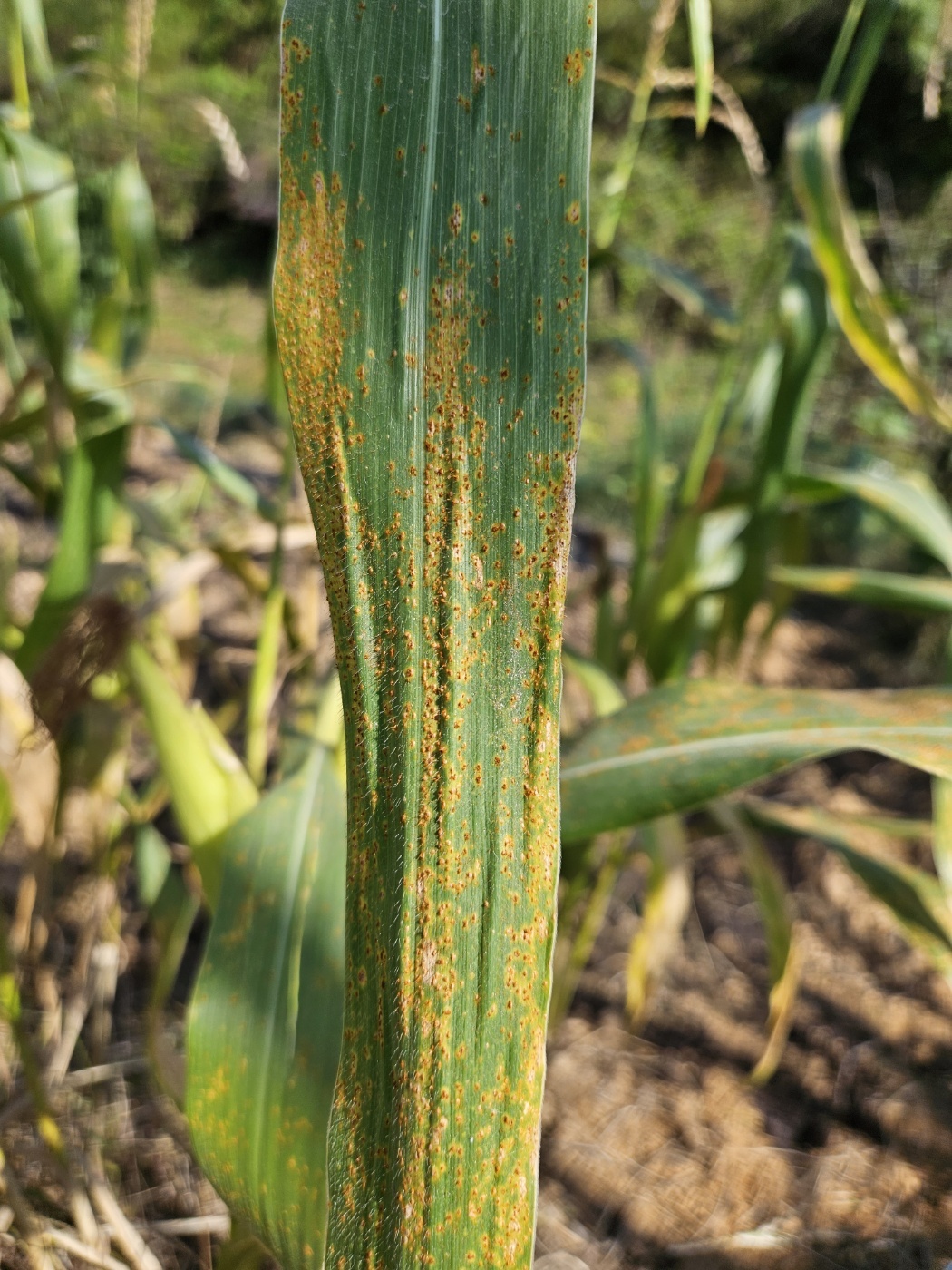
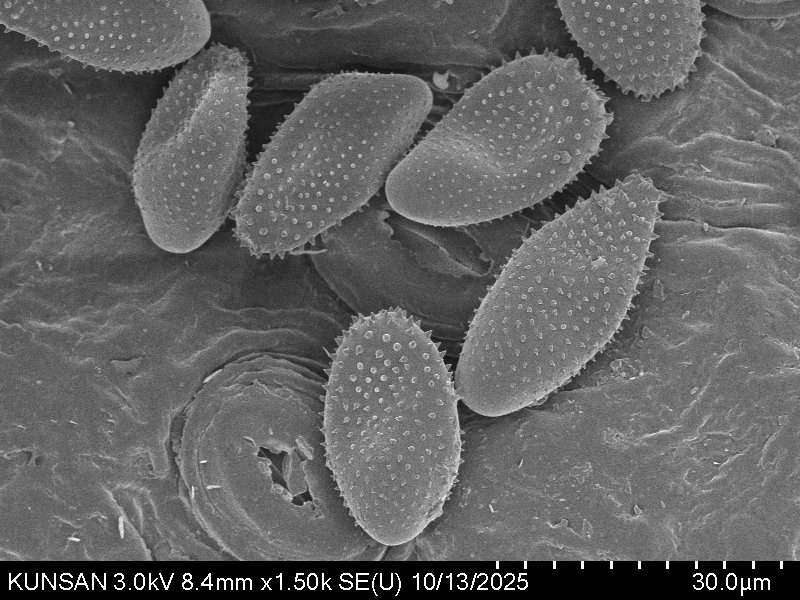
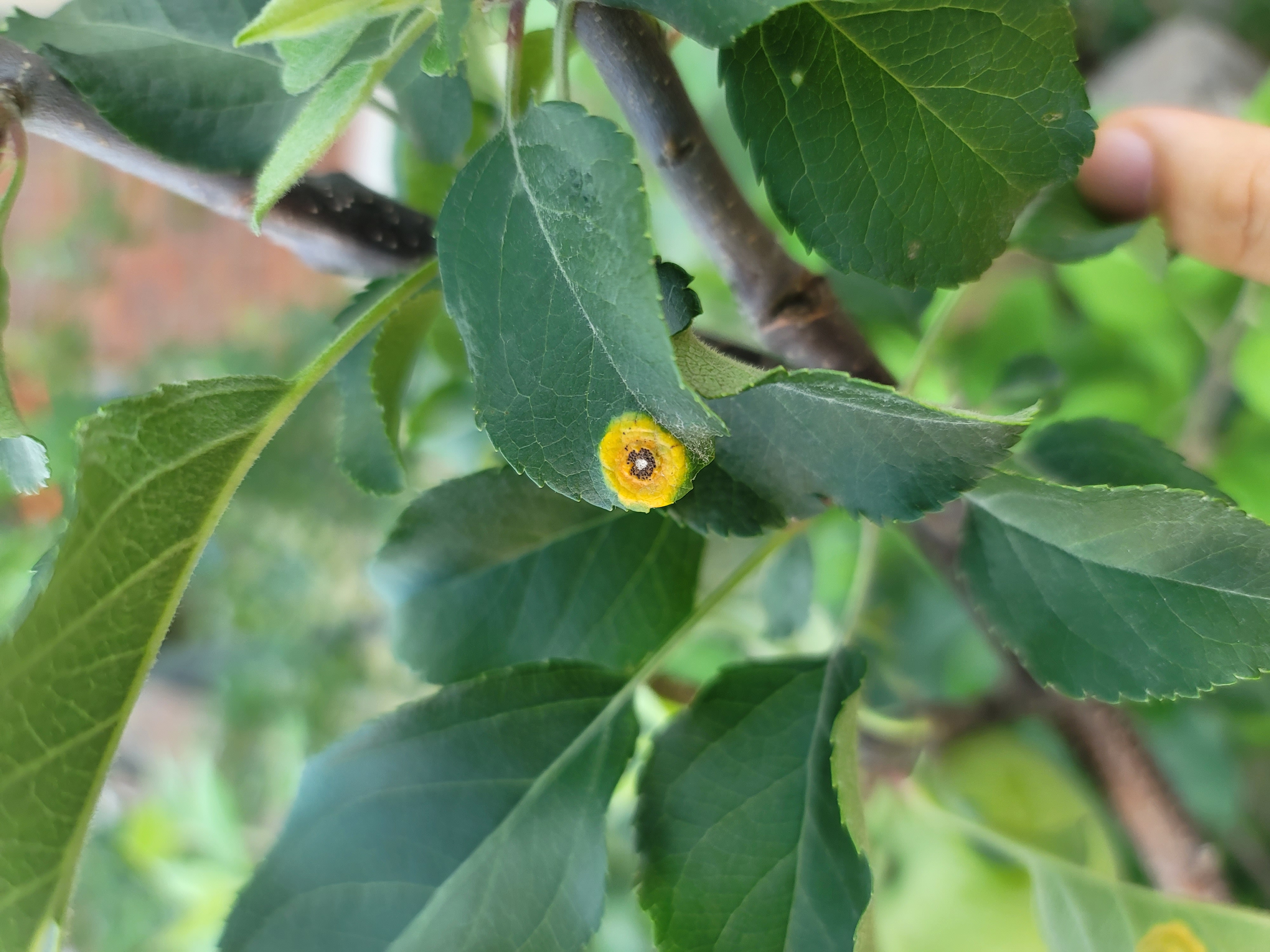
Rust fungi are obligate biotrophic plant pathogens belonging to the order Pucciniales (Basidiomycota). More than 7,000 species have been described worldwide, many of which are responsible for devastating diseases in cereal crops, legumes, fruit trees, ornamentals, and forest trees. Among them, wheat stem rust (Puccinia graminis), wheat leaf rust (P. triticina), and wheat stripe rust (P. striiformis) are recognized as globally significant diseases due to their recurrent epidemics, rapid evolution of new races, and severe impact on food security.
Taxonomy and Phylogeny
The taxonomy of rust fungi has traditionally relied on morphological traits and host associations. However, their complex life cycles and host alternation often complicate species-level identification. Recent advances in Multilocus Sequence Analysis (MLSA) and whole-genome sequencing have enabled more precise resolution of intra- and interspecific variation.
MLSA, in particular, integrates conserved and variable gene markers to complement morphology-based identification, providing a standardized molecular framework for reconstructing the phylogenetic relationships of rust fungi.
Morphology and Life Cycle
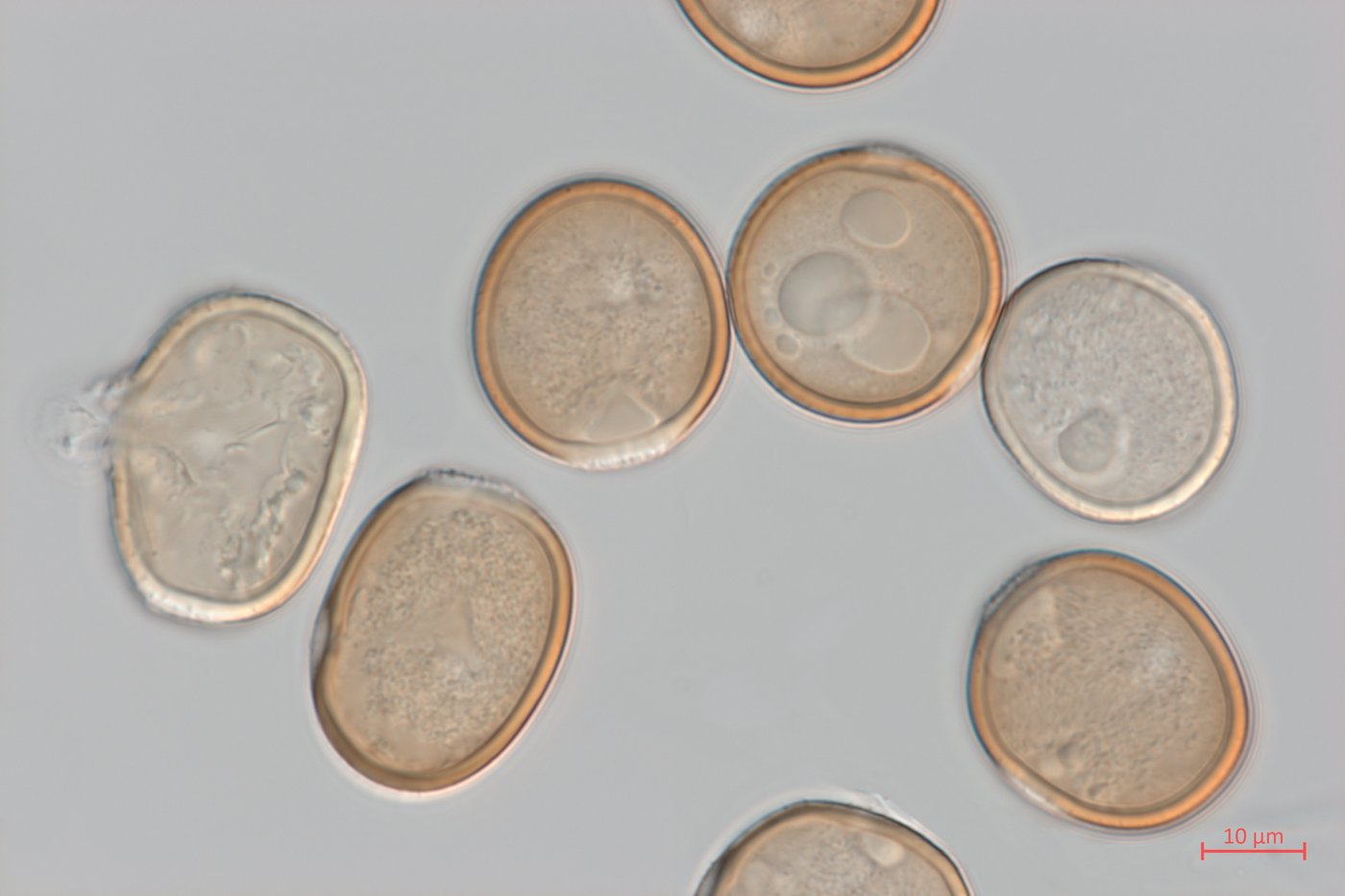
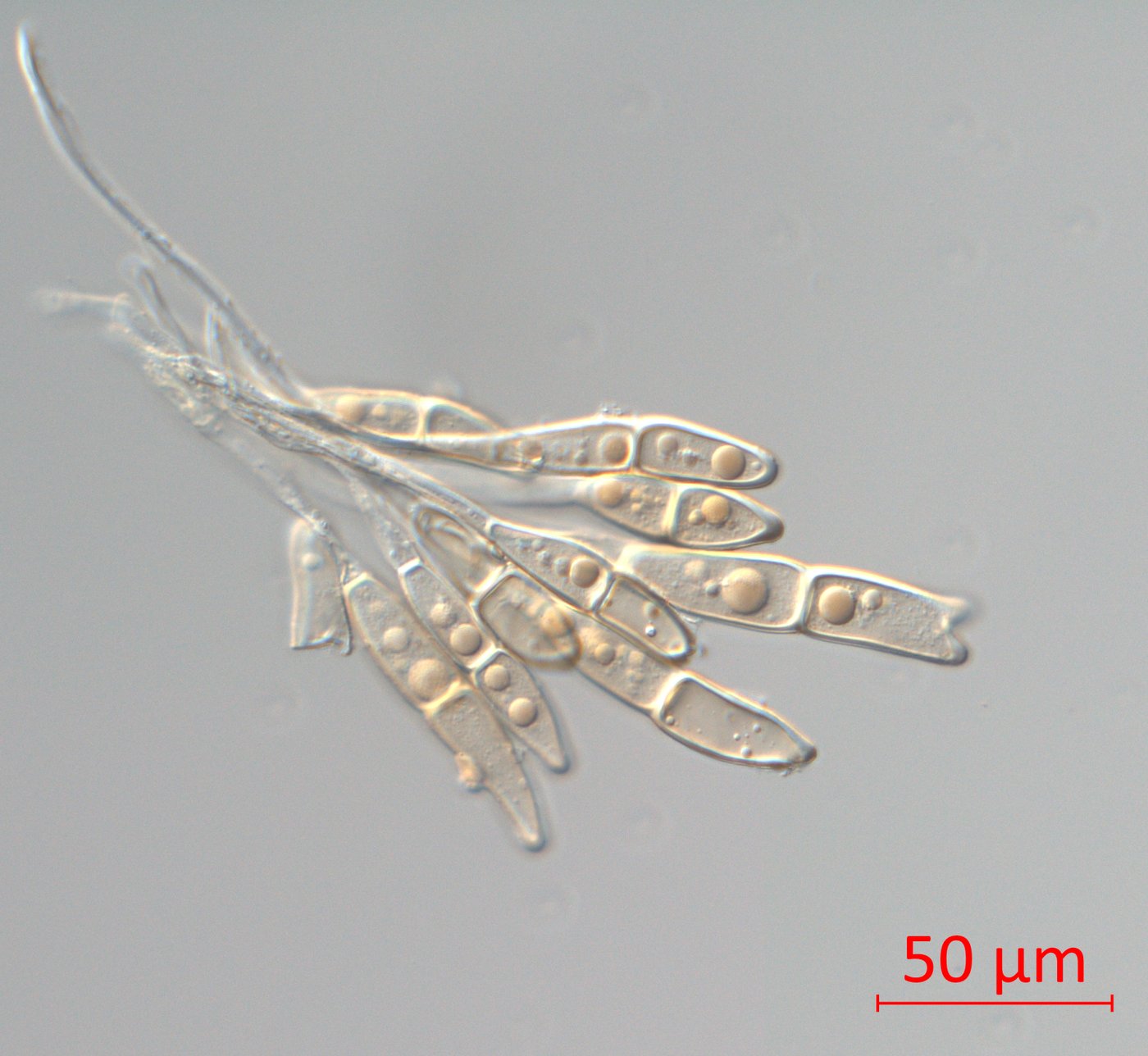
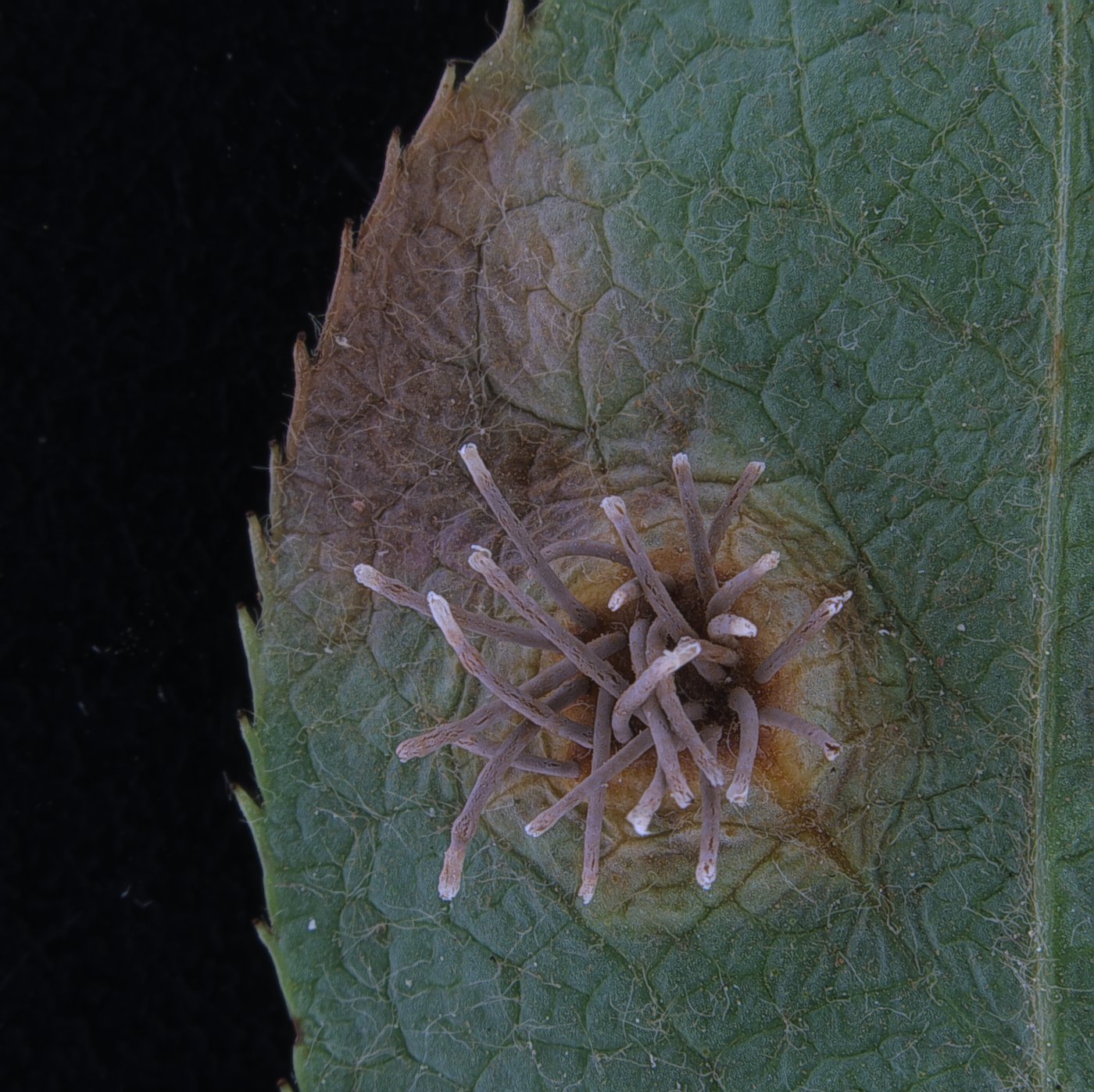
Rust fungi exhibit remarkable life cycle diversity. Some species are heteroecious, alternating between two taxonomically unrelated host plants, while others are autoecious, completing their entire cycle on a single host. Up to five distinct spore stages may be produced: spermatia, aeciospores, urediniospores, teliospores, and basidiospores.
Morphologically, rust infections are characterized by the development of reddish-brown to yellow pustules (uredinia, telia) on leaves, stems, and fruits. These structures are diagnostic indicators in plant pathology and play a crucial role in disease epidemiology.
Plant Pathogenesis
Rust fungi penetrate host tissues and establish feeding structures called haustoria, which extract nutrients while delivering effector proteins that manipulate host immunity. These effectors are central to determining host specificity and infection success.
Long-distance dispersal of urediniospores via wind is the primary mechanism of spread, and global trade and climate change further increase the risk of transcontinental epidemics.
Disease Control and Management
Control strategies traditionally include the deployment of resistant cultivars, eradication of alternate hosts, and crop rotation. However, resistance breakdown is common due to the rapid emergence of new rust races.
Current research focuses on:
• Genomics-driven discovery of resistance genes
• Comparative genomics to predict pathogen race evolution
• Molecular diagnostics (e.g., TaqMan qPCR, LAMP, MIRA assays) for early detection
Fungicides remain a supplementary measure, but environmental and economic concerns limit their sustainability.
Resources and Database
This web platform provides researchers with a standardized MLSA-based database and analysis tools for rust fungi.
Key features include:
• High-resolution phylogenetic analysis based on multilocus datasets
• Interactive visualization of phylogenetic trees and genetic diversity
• Integration of isolates from diverse hosts and geographic origins for population-level comparison
• Future linkage with international strain collections and public genome databases to serve as a
global hub for rust research
By offering a reliable molecular framework, this platform supports accurate species identification, evolutionary
studies, and population structure analysis of rust fungi. Ultimately, it aims to provide the scientific foundation
necessary for developing sustainable disease management strategies in agriculture and forestry.